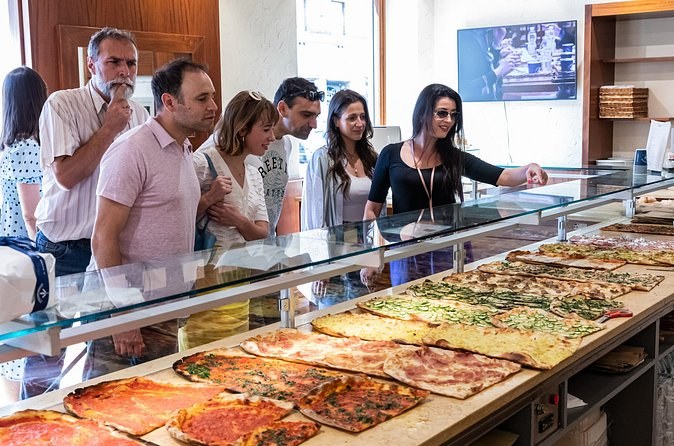
Testaccio Food Tour with Roman Pasta and Market Tastings
Three and a half hours in Testaccio, market stalls and all three Roman pastas on one walk.
From $128 per person
Check Availability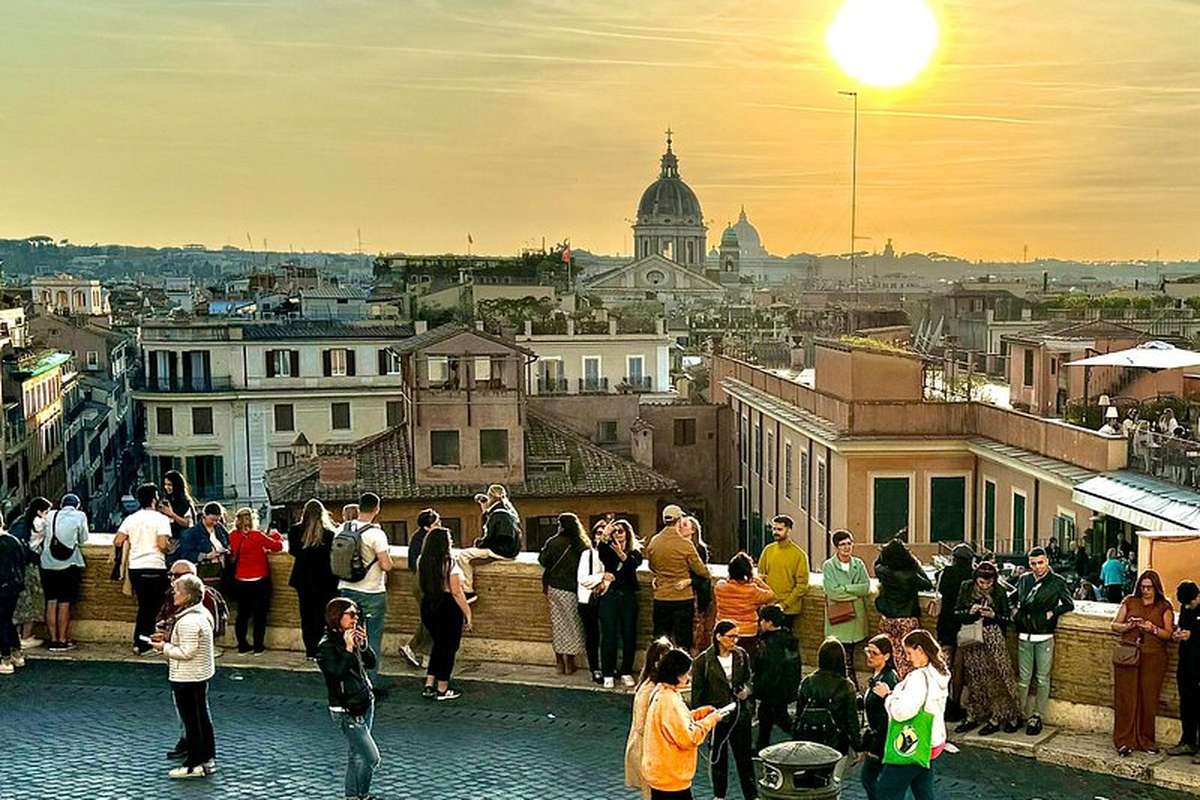
Trastevere for your first evening, the Jewish Ghetto for the fried artichoke, Campo de’ Fiori for a cheap morning on foot, Testaccio if you have eaten in Rome before, and Prati if you are staying near the Vatican. Pick the quarter and the tour picks itself.
It has twenty-two rioni, and about five of them matter if you are eating. Each was a different kind of place before it was a neighbourhood — a working quarter across the river, an enclosure imposed by papal decree, a market square, a slaughterhouse district, a meadow built over after unification — and each still cooks like what it was.
That history is not decoration. It is why a walk in Testaccio serves you offal and a walk in the Ghetto serves you an artichoke, and it is why comparing tours on price alone tells you almost nothing.
Over the Tiber, a grid of narrow lanes around the basilica of Santa Maria in Trastevere, reached on foot over the Ponte Sisto or across Tiber Island. It holds more tasting walks than the rest of the city put together, and nearly all of them run after dark.
What it does better than anywhere else is the seated course. Where a street-food circuit hands you things standing up, a Trastevere route will sit you down halfway through for a plate of pasta with wine chosen for it. That is most of why its fares run higher.
A few streets between the Portico d’Ottavia and the river, enclosed by the papal bull Cum nimis absurdum, issued by Pope Paul IV on 14 July 1555. The requirement that Jews live there ended with Italian unification in 1870; the walls came down in 1888 and the Great Synagogue went up in 1904.
Four and a half centuries of cooking in a confined space produced a repertoire nobody else in Italy has, and the dish it is known for is carciofo alla giudia: an artichoke pressed flat and fried whole. It works because the Roman variety has no thorns, and it is on the plate roughly February to May.
A market has stood in the square since 1869, beneath the bronze of Giordano Bruno, who was burned at the stake on that spot on 17 February 1600. The statue went up in 1889, pushed through by a student committee against the Church’s opposition, and one walk here meets directly under it.
The food around the square is the standing-up repertoire: pizza al taglio sold by weight, supplì from a fryer, bread from a forno, cured meat from a norcineria. Come in the morning if you want the stalls working — several routes state that the market visit is dropped on afternoon departures.
Flat, gridded, south of the centre, and built around the Mattatoio — Rome’s municipal slaughterhouse, completed in 1888 to a design by Gioacchino Ersoch and decommissioned in 1975. Behind it rises Monte Testaccio, a hill made entirely of the broken amphorae of the ancient river port.
The slaughterhouse is why this quarter cooks quinto quarto: the fifth quarter, the offal left when the four quarters of a carcass had been sold, and part of what the workers were paid in. Coda alla vaccinara and trippa alla romana come from here and not from Trastevere.
North of the Vatican, laid out on former meadow after unification — which is what the name means. Hundreds of thousands of people cross it every year on the way to the Musei Vaticani and almost none of them stop. It has one of the city’s best-known pizza-by-the-slice counters and a street of salumerie.
No walk here includes a Vatican Museums ticket, and none pretends to. That is the point of it: this is the quarter that feeds the people who work at the museums, not the museums themselves.
| Quarter | Was | Cooks | Best hour | Book if |
|---|---|---|---|---|
| Trastevere | A working quarter over the river | Seated pasta, wine pairings, gelato | After dark | It is your first evening in Rome |
| Jewish Ghetto | An enclosure, 1555–1870 | Carciofo alla giudia, Roman-Jewish baking | Evening | You are here between February and May |
| Campo de’ Fiori | A market square since 1869 | Pizza al taglio, supplì, bread | Morning | You want to spend the least |
| Testaccio | The slaughterhouse district | Quinto quarto, the three pastas | Daytime | You have eaten in Rome before |
| Prati | Meadow, built over after 1870 | Pizza by the slice, salumerie | Any | You are staying near the Vatican |
The meeting point tells you more about a route than the title does. Trastevere departures gather on Piazza Mastai, beside the fountain in the middle, or on Tiber Island by the monument with the cross on top. The Ghetto evening walk meets at the Fontana delle Tartarughe on Piazza Mattei, a fountain with four youths lifting turtles into the upper basin.
The street-food routes start either under the Giordano Bruno statue in Campo de’ Fiori or by the fountain in Piazza di San Simeone — and San Simeone sits inside a pedestrian zone that no taxi can enter, which its listings tell you plainly. Testaccio begins on Piazza Testaccio itself, and the Prati walks meet on Via Cipro, minutes from the metro.
The cheapest guided hours in the city are the crossings that start near Piazza Navona and finish in Trastevere: two and a half hours from $43. The dearest walking routes are the Trastevere evenings with free-flowing wine and a seated dinner, around $117 to $129. Testaccio sits at the top of that band because it serves three pasta courses rather than one.
Unguided, the order reverses. Testaccio and the market end of Campo de’ Fiori are where Romans actually shop and the counters price accordingly; Trastevere’s prices rise with its evening trade. That is worth knowing for the days you are not on a walk, and it is covered on the counters page.
Some of them, on foot. Campo de’ Fiori to the Ghetto is five minutes and the Ghetto to Trastevere is another ten across Tiber Island; one walk covers all three in an afternoon. Testaccio and Prati are separate expeditions. The golf-cart tasting exists precisely to solve this, covering three quarters in four hours without the walking.
If this is your first trip: Trastevere, in the evening, with a seated course. If it is your third: Testaccio, in daylight, with the market. If you are counting euros: the crossing from Campo de’ Fiori into Trastevere at $48. And if it is March and you have never had a fried artichoke, the Ghetto, without hesitating. Every one of them is on the Rome Food Tours grid, and the counters page covers the days between.
Three and a half hours in Testaccio, market stalls and all three Roman pastas on one walk.
From $128 per person
Check Availability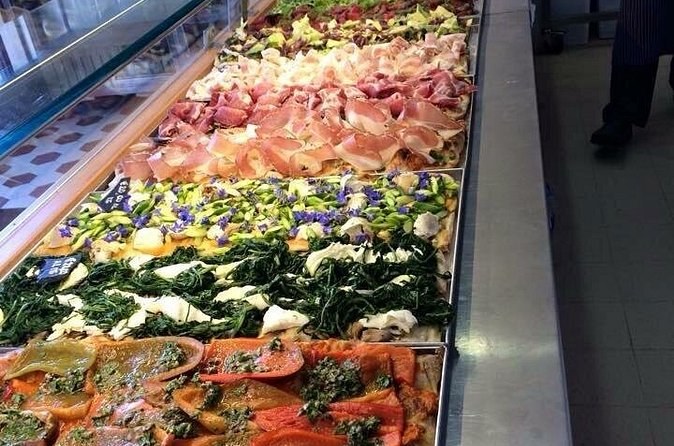
Prati and Trionfale, outside the Vatican walls, where the people who work there actually eat.
From $84 per person
Check Availability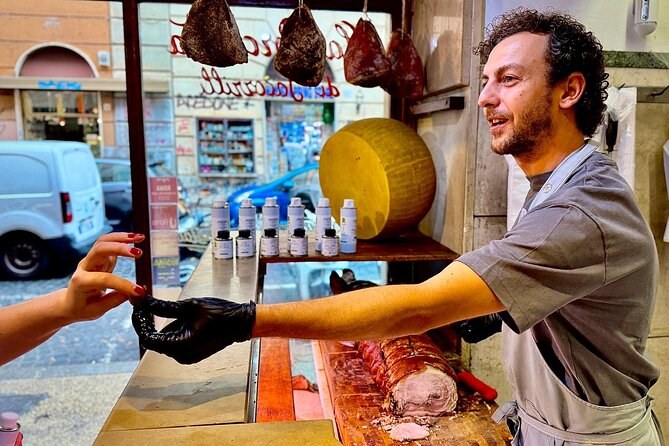
A private Trastevere walk with more than seven tastings, including one dish the operator will not name in advance.
From $102 per person
Check Availability