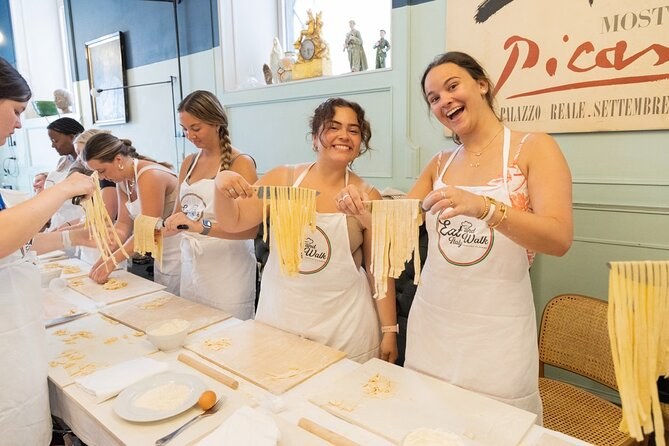
Rome 3 in 1 Cooking Class: Fettuccine, Ravioli & Tiramisu
Three hours in a kitchen with their own workstation, wheelchair and stroller accessible, infant seats available.
From $61 per person
Check Availability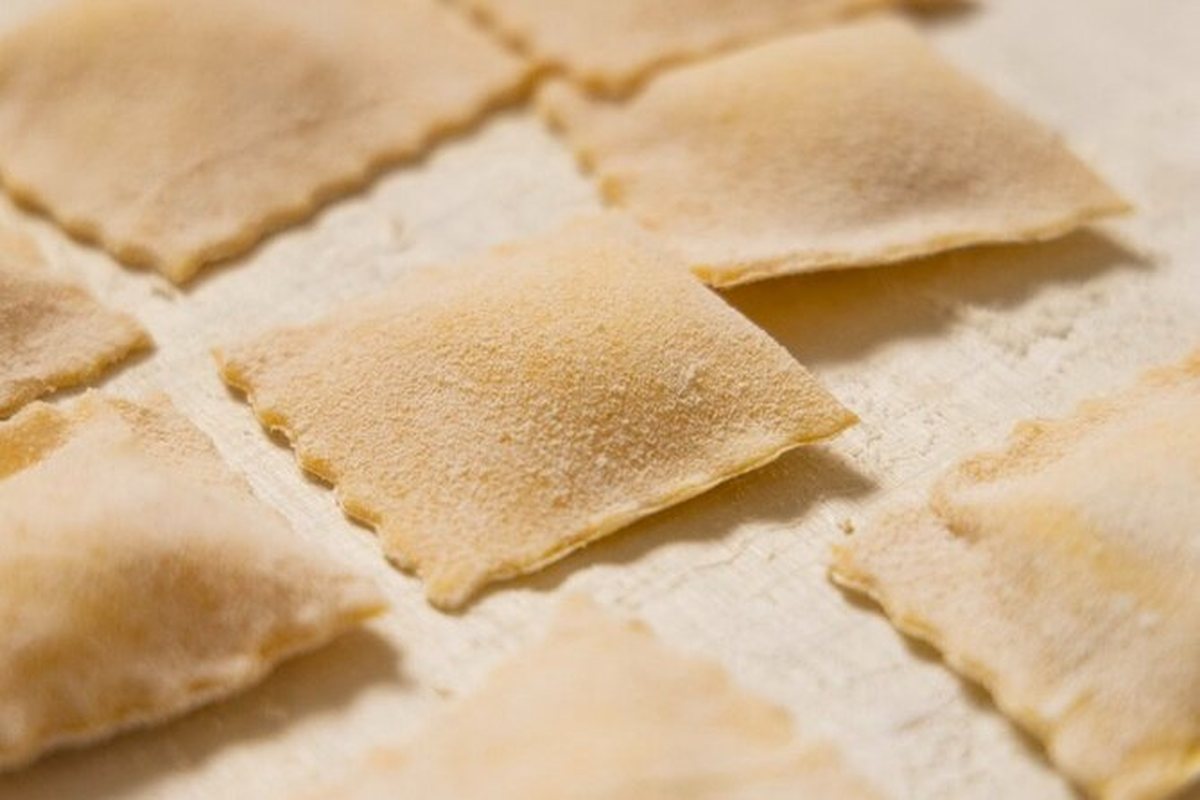
Yes, with two caveats. Nearly every listing here publishes a child or youth price with its own age band, so the food is not the problem. The problem is three hours on cobbles finishing at nine at night — which is why a cooking class or a two-and-a-half-hour street-food walk beats a four-hour twilight route for most families.
On almost all of them. Nearly every tour here sets a child or youth age band with its own ticket price, which tells you more than a welcome message would: the operator has thought about feeding a nine-year-old and priced for it. Only a couple of cooking classes are adults-only, and a couple more will serve your under-eighteens soft drinks instead of alcohol.
The exceptions are worth naming. One private Trastevere walk is strictly over eighteen, and one cocktail-and-pasta class is too, for the obvious reason.
A four-hour twilight walk in Trastevere starts at six and finishes at ten, almost all of it standing or walking on uneven stone. For a seven-year-old that is a long evening; for a teenager it is fine. One parent who took exactly that route wrote that their teenagers flagged towards the end of it.
Three hours, indoors, seated, with something to do the whole time. Children who will not stand still at a cured-meat counter will happily roll fettuccine, and the class ends with everyone eating what they made rather than walking home hungry. One of the classes here is wheelchair and stroller accessible and offers infant seats; another gives every participant their own workstation.
It also removes the evening problem. A three-o’clock class puts you back on the street at six with dinner already eaten.
| Age | Best format | Runs | Why | Watch for |
|---|---|---|---|---|
| Under 5 | Cooking class, early slot | 3 hours | Indoors, seated, something to do | Infant seats are per product |
| 5–9 | Street-food walk, afternoon | 2½ hours | Short, and the food is finger food | Cobbles; bring proper shoes |
| 10–14 | Street-food walk or a class | 2½–3 hours | Old enough for the history between stops | Some age bands start the adult fare at 11 |
| 15–17 | Twilight Trastevere walk | 3–4 hours | They will remember this one | Under-18s are served soft drinks |
| Mixed ages | Golf-cart tasting | 4 hours | Nobody walks; three quarters covered | Children must be at least 8 on one of them |
This is the thing that catches families out, and it is arithmetic rather than opinion. A four-hour twilight walk that starts at six finishes at ten. Add fifteen minutes to get back across the river and you are putting a child to bed at half past ten in a city they are still adjusting to.
There are two ways round it. Book an afternoon departure, which several operators run — the same route, the same food, finishing at six. Or book a class at three, which puts dinner inside the afternoon and gives you the evening back. Neither costs more than the evening version.
Less alarming than parents expect. Supplì is a fried rice ball with melted cheese inside it and is the single most reliable thing on any of these routes. Pizza al taglio is sold by weight, so a plain red slice is always available even where the adults are eating something with anchovies on it. Porchetta in a roll is cold roast pork, and gelato closes almost every walk.
The things that divide opinion are the cured meats, which are saltier than most children expect, and anything from the fifth quarter — which you will only meet on a Testaccio route, and which is worth checking before you book if your table is squeamish.
Rome is the easy city for this. Pizza al taglio is sold by weight, so a child can point at plain red pizza and get exactly that; supplì is a fried rice ball with cheese in it, which almost nothing rejects; and gelato closes nearly every walk. The dish page sets out what will be handed over.
Roman cobbles are sampietrini — small squared basalt blocks, laid in fans, and set unevenly after two thousand years of traffic. A lightweight umbrella stroller with small wheels is the wrong tool; anything with larger wheels copes. Several walks list themselves as stroller accessible in their Additional Info, and it is worth reading that line rather than assuming, because two routes in the same quarter can differ.
A carrier beats a stroller on the street-food routes, where you are stopping every fifteen minutes and going in and out of narrow doorways. On the cooking classes it makes no difference at all, which is another quiet point in their favour.
Campo de’ Fiori in the morning, for the stalls; Tiber Island, which children like because it is an island in the middle of a city; and the markets, which cost nothing to walk into. The landmarks page covers what the routes pass, and the planning page has every meeting point.
The best food tours in rome for a family are the short ones with a child fare and a seat at the end. They are all on the Rome Food Tours grid.
Three hours in a kitchen with their own workstation, wheelchair and stroller accessible, infant seats available.
From $61 per person
Check Availability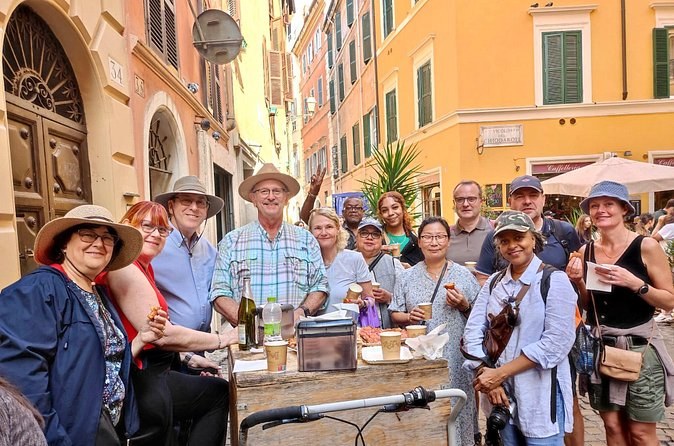
Two and a half hours, stroller accessible, and short enough that nobody runs out of legs.
From $55 per person
Check Availability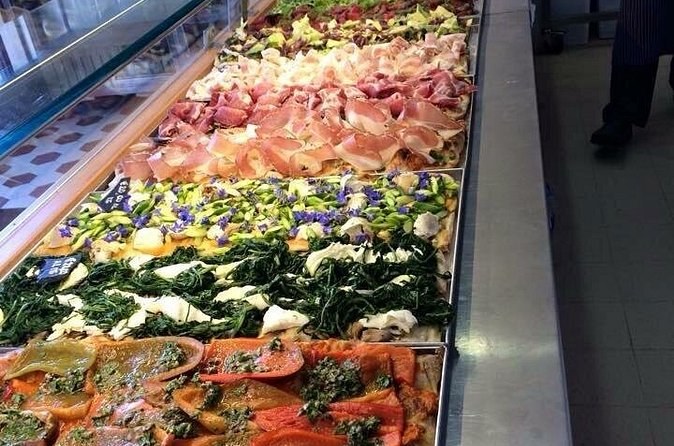
Four hours in Prati with a child age band of its own and infant seats available.
From $84 per person
Check Availability