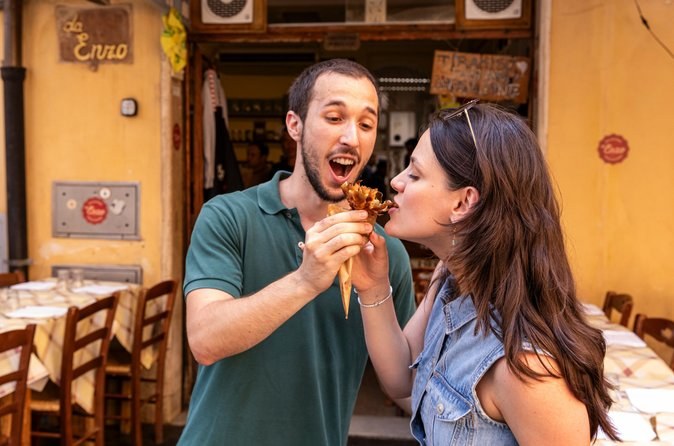
Winner 2026 Rome Twilight Trastevere Food Tour by Eating Europe
Night two, from six. Four hours, a seated pasta course, and it leaves you in the best quarter in the city.
From $122 per person
Check Availability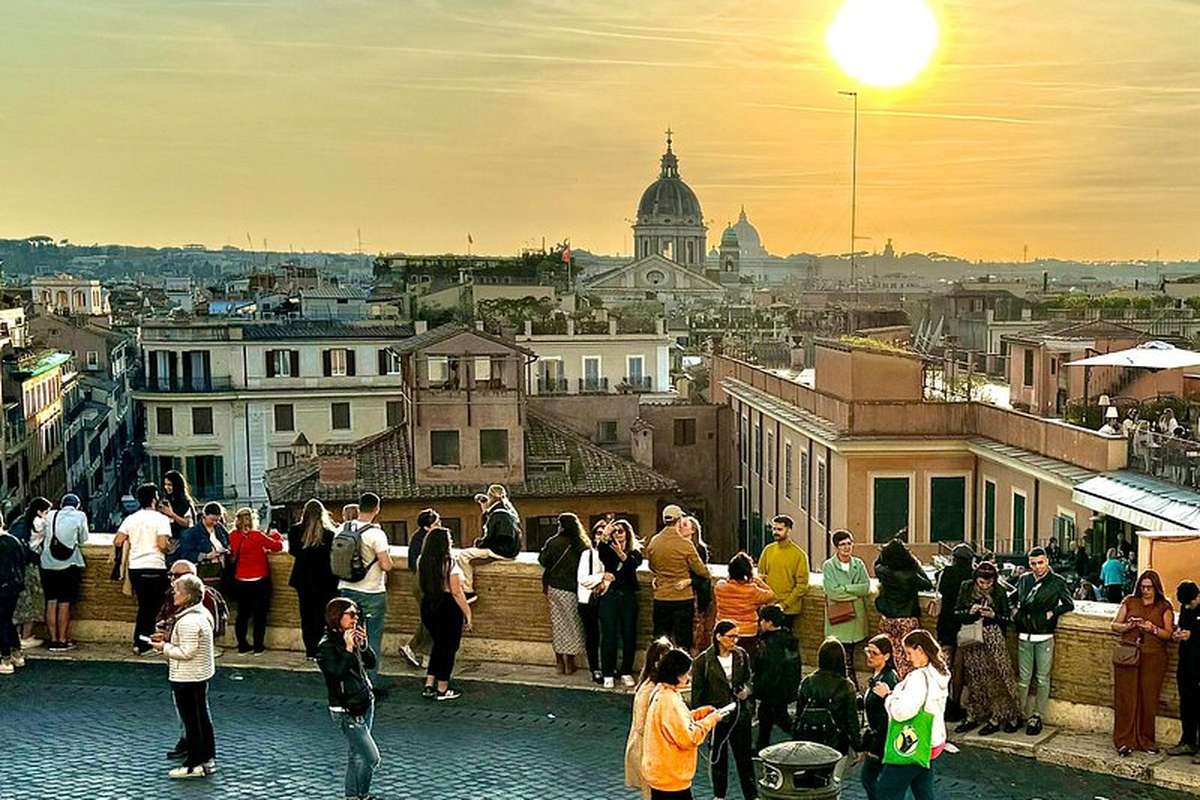
One guided walk, on the second evening. Put the monuments on the mornings, the markets on day three, and do not book tasting walks on consecutive nights — each one is a full meal and you will waste the second.
Not night one. You will arrive tired, you will have eaten badly in transit, and the best meal of the trip will land on the worst evening for it. Not night three either, if you can help it: by then you want to eat somewhere you chose, using what the guide told you.
Night two is when you are over the journey, have walked enough of the city to recognise what you are being shown, and still have two dinners left to place.
A meal. The wine-led Trastevere routes put a seated pasta course or a full three-course dinner inside the fare; the street-food circuits run five to fifteen tastings eaten standing up. Either replaces dinner rather than preceding it.
This is the single most common planning error on a short trip: booking a tasting walk at six and a restaurant at nine. You will manage neither properly.
Do not plan anything with a start time. Walk the centro storico — Piazza Navona, the Pantheon, Largo di Torre Argentina — and eat at whatever counter is near your bed. Pizza al taglio is sold by weight, so a late arrival can still eat well for four euros.
If you have energy, the Campo de’ Fiori evening is ten minutes away from most of the centre and is a good first read of the city.
Book your monument tickets for the morning, direct from the bodies that sell them — no food tour here includes a Colosseum ticket or a Vatican Museums ticket, and every listing that mentions them says so. Eat lightly at lunch.
At six, cross the river. A four-hour twilight walk in Trastevere finishes around ten, in a quarter that is still awake, and you will have eaten better than you would have chosen for yourself. The Trastevere page compares them.
Testaccio in the morning, if you have three full days. It is the quarter the old slaughterhouse built, the market is a real one, and a walk there serves the three Roman pastas side by side — which is the only way the difference between them ever lands.
If Testaccio is too far out for the time you have, Campo de’ Fiori runs its market in the mornings and is five minutes from the middle of everything.
In an afternoon, and it changes the shape of the day rather than adding to it. A three-o’clock class puts you back on the street at six with dinner already eaten, which frees the evening for a walk round the Ghetto or an early night before a flight.
What it does not do is fit alongside a tasting walk on the same day. Two full meals between three and nine will beat anybody, so pick one and keep the other day free for it.
| Day | Morning | Afternoon | Evening | Where you eat |
|---|---|---|---|---|
| One | Arrive | Centro storico on foot | Free | A counter near your bed |
| Two | Monuments, booked direct | Light lunch, rest | Trastevere tasting walk, 18:00 | On the tour |
| Three | Testaccio or Campo de’ Fiori market | Free, or a cooking class | Somewhere the guide named | Your choice, informed |
Drop day three and move the market to the morning of day two, before the monuments or instead of them. Keep the evening walk: it is the single booking that changes a short trip most, because it fixes where you eat for the rest of it.
If you have one day, take a street-food circuit in the afternoon. Two and a half hours, three quarters of the map, and you still get an evening.
Closer than they look. Campo de’ Fiori to the Jewish Ghetto is five minutes; the Ghetto to Trastevere is ten more over Tiber Island. Largo di Torre Argentina to Piazza Navona is six. Testaccio is a genuine twenty-five minutes south of Trastevere, and Prati is across the river on the far side of the centre.
Trastevere has no metro station at all. Tram 8 from Piazza Venezia is the way in, and it is the one piece of Roman transport worth learning for this trip.
It changes the shape more than you would expect. In July and August, push everything outdoors into the evening — the mean daily maximum is above 32 °C and nobody sensible walks the centro storico at two. In November, with 108 mm of rain, build the plan round a class rather than a walk.
February to May is artichoke season, and if that is why you are coming, the Ghetto route belongs on night two rather than the Trastevere one. The weather page has every month.
Day one is for the cheap, permanent things, because you can get them anywhere and they need no plan. Pizza al taglio by weight. A supplì, which is a fried rice ball with mozzarella in the middle. A maritozzo from a forno in the morning, which is a sweet bun split and filled with cream.
Day two the guide decides, and that is the point of paying. Expect the four Roman pastas in some order — carbonara, cacio e pepe, gricia, amatriciana — along with cheese, cured ham and whatever the season has put in the market.
Day three you choose, using day two. Go back for the thing you liked, order the trapizzino you walked past, and eat the artichoke if the month is right. What you will eat defines every dish so you can order without pointing.
Mostly on foot, and that is the honest answer for the centre. Campo de’ Fiori to the Jewish Ghetto takes five minutes. The Ghetto to Trastevere is another ten over Tiber Island. Nothing in the historic middle needs a ticket or a timetable.
Two journeys do. Trastevere has no metro, so tram 8 from Piazza Venezia is how you cross when your feet have gone. Testaccio sits south of Trastevere and has its own metro stop on line B, which is the sensible way to reach the market in the morning.
Prati is the other one worth planning. It is across the river on the far side of the centre, near the Vatican walls, and the walk from Piazza Navona is closer to half an hour than to ten minutes. Buy transport tickets at a tabaccheria or at the official infopoint on Via dei Fori Imperiali, open every day from half past nine.
Not on three days. A coach to the Val d’Orcia runs twelve hours door to door, which is a third of your trip spent mostly on a motorway, however good the farm lunch at the far end is.
There is a middle option. Frascati is in the hills south-east of the city and you reach it by train, so a pasta session with a winery and dinner there takes an evening rather than a day. It is the one out-of-town booking that fits a short trip without eating it.
On five days or more, take the Tuscan day and give it a whole day — including the evening, because you will not want dinner when you get back.
Four things, and you can avoid all of them. You book a tasting walk and a restaurant on the same night, and eat neither properly. You put the walk on the evening you arrive, when you are too tired to taste anything. You leave the booking to the morning of, in June, and find the Trastevere evenings gone. Or you schedule a monument at nine the morning after a four-hour dinner walk.
The fifth is seasonal rather than structural. Around 15 August and on 29 June, a public holiday in Rome, small kitchens close and the street you planned to eat on is shuttered.
None of these are hard to dodge. One fixed evening, one market morning, nothing else timed — and you will eat better than a plan twice as detailed would have managed.
Yes, with two adjustments. The first is the clock: a walk that finishes at ten is a long night for a small child, so an afternoon street-food circuit or a three-o’clock class fits a family day far better than a twilight route.
The second is the ground. A tasting walk covers real distance over cobbles, and a couple of the operators say outright that their route is not suitable for strollers. Several do note that they are stroller accessible, so the information is there before you pay.
A class is the easy answer. Children are handed dough and a rolling pin, they are sitting down, and the ones under eighteen are served soft drinks rather than wine, which several operators state in their own conditions.
The evening walk, three to five days out. Everything else on this plan is flexible: markets do not sell out, counters do not take reservations, and the monuments are a separate booking anyway. A food tour rome italy itinerary built round one fixed evening tends to hold together; one built round four fixed things does not.
The planning page has every meeting point, and the Rome Food Tours grid sorts what is available.
Night two, from six. Four hours, a seated pasta course, and it leaves you in the best quarter in the city.
From $122 per person
Check Availability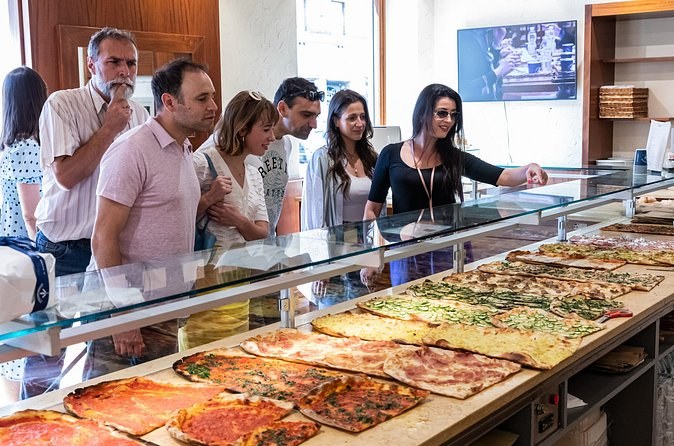
Day three, in daylight. The market quarter, three Roman pastas and a 105-year-old gelateria.
From $128 per person
Check Availability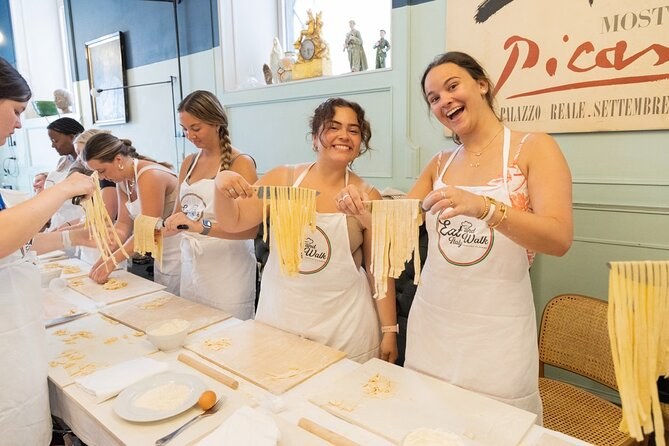
An afternoon slot that gives you your evening back, with dinner already eaten.
From $61 per person
Check Availability